
Udder & Milking
Cows & Buffaloes
Chapped and Cracked Teats in Winter — Small Cracks, Big Consequences
Updated 26 Aug 2026 • By Falah Nutrition Desk, Animal Nutrition Advisor
Winter air, wet washing and cold wind do to teat skin what they do to human hands — dry, chap and crack it. Painful teats make a kicky, incomplete milking, and every crack is an open door for mastitis germs. This is a small problem that guards a big one.
Common Signs
- Rough, scaly or reddened teat skin in cold weather
- Visible fine cracks or bleeding lines on teats
- Animal flinching, stepping or kicking at milking she previously accepted
- Milking taking longer, quarters left incompletely emptied
- Scabs on teat tips or where teats rub
Possible Causes
- Cold dry air and wind chapping exposed skin
- Washing teats and leaving them WET in freezing air — the biggest single cause
- Harsh soaps stripping natural skin oils
- Rough or wet-hand milking technique aggravating stressed skin
- Muddy, wet standing areas keeping teats damp and chilled
What the Farmer Should Check
- Are teats dried thoroughly with a clean cloth after every wash?
- Is washing water lukewarm rather than ice-cold in winter?
- Are hands dry during milking, and is the grip full-hand rather than knuckling?
- Does the animal stand in dry bedding rather than wet slush?
- Any cracks already showing — and any early mastitis signs behind them?
Feed Guidance
Prevention is a drying-and-softening routine: wash with lukewarm water only where needed, dry teats completely every single time, and in cold spells apply a vet-approved udder cream or plain glycerine-based softener after milking — softening after (not before) milking keeps the protection on through the cold hours. Milk gently with dry hands and a full-hand grip. On the feed side, sound skin is built from within: steady balanced feeding with daily mineral mixture (zinc especially supports skin health) keeps teat skin resilient — chronically underfed animals chap first and heal slowest.
Relevant GOKA Products
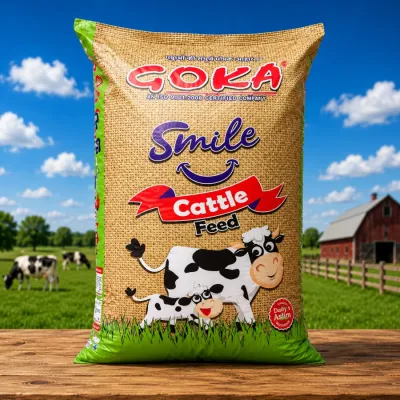
Dairy Cows & Buffaloes
12-18 liters/day
NDF-rich feed for healthy digestion

Dairy Cows & Buffaloes
10-15 liters/day
Maintains milk fat, prevents repeat breeding
When to Contact a Veterinary Doctor
Deep painful cracks, spreading sores, or any heat, hardness or milk change in the quarter means mastitis may have entered — involve your veterinary doctor promptly.
Get Feed Guidance from Falah Enterprises
Free, personal guidance for your animal - tell us the details on WhatsApp or call us.