
Infectious Disease
Goats, Sheep & Calves
Tetanus — The Stiff Animal After a Wound or Castration
Updated 03 Nov 2026 • By Falah Nutrition Desk, Animal Nutrition Advisor
A week or two after a castration, a deep thorn wound or a dirty birth, a kid or calf begins to walk stiffly, the ears go rigid, the third eyelid flicks across the eye when its head is touched, and soon the jaws lock. Tetanus comes from soil bacteria sealed inside a wound, and once the signs are obvious the outcome is usually bad. Prevention is cheap; treatment is not.
Common Signs
- Stiffness of the legs and tail, sawhorse stance, difficulty turning
- Ears erect and stiff, third eyelid showing across the eye when startled
- Jaw clamped, cannot chew or drink; drooling
- Flared nostrils, bloating from a paralysed rumen
- Spasms triggered by noise or touch
- Goes down with legs rigidly extended; death in days
- A wound, castration or navel infection 1-3 weeks earlier
Possible Causes
- Tetanus bacteria from soil and dung entering deep, closed wounds
- Rubber-ring and open castrations done without hygiene or protection
- Dirty navels in newborns
- Thorn punctures, dog bites, hoof wounds packed with mud
- Disbudding, tail docking and ear tagging with dirty tools
- Unvaccinated animals
What the Farmer Should Check
- Any wound, castration or birth in the last three weeks?
- Does the third eyelid flash across the eye when the head is tapped?
- Can it open its mouth and chew?
- Legs stiff, tail held out?
- Was tetanus antitoxin or vaccine given at castration?
Feed Guidance
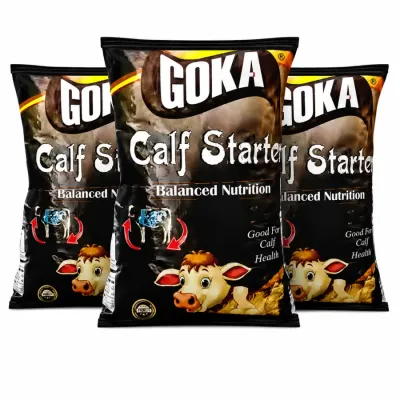
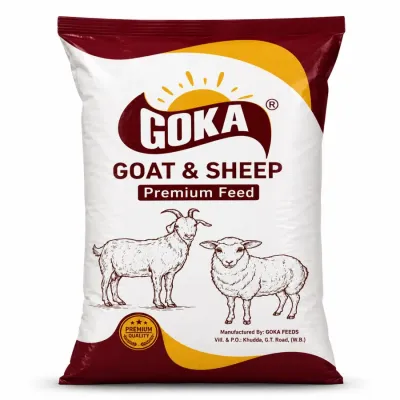
Feeding cannot treat tetanus; the point of this article is to stop it happening at the procedures where it starts. Castrate, dock and disbud with clean, disinfected tools and clean hands, dip navels at birth, flush and clean deep wounds and keep them open to the air rather than packed. Ask the vet about tetanus antitoxin at castration and about including tetanus in the flock vaccination plan. An affected animal that can still swallow needs soft, easy feed and water offered by hand, in a dark quiet pen, while the vet treats it — GOKA Premium Goat & Sheep Feed soaked to a mash, or GOKA Calf Starter mash for a calf.
Relevant GOKA Products
Next steps
- Calf & Heifer Feed in Anantnag
- Goat & Sheep Feed in Anantnag
- Estimate daily feed with the Feed Calculator
- Contact Falah Enterprises, Nanil, Anantnag
This guide is general information, not a diagnosis. For a sick animal or a specific ration, consult a qualified veterinarian or animal nutritionist.
When to Contact a Veterinary Doctor
Suspected tetanus is a veterinary emergency: antitoxin, wound treatment and muscle relaxants given early give the only chance. Any castration or deep wound in an unvaccinated animal is a reason to ask the veterinary doctor for prevention on the day.
Get Feed Guidance from Falah Enterprises
Free, personal guidance for your animal - tell us the details on WhatsApp or call us.