
Nutritional Deficiency
Calves, Kids & Lambs
White Muscle Disease — Selenium and Vitamin E Shortage in Young Stock
Updated 17 Oct 2026 • By Falah Nutrition Desk, Animal Nutrition Advisor
A strong-looking calf or lamb that suddenly goes stiff, cannot get up, or drops dead after running is often not a mystery death. It is white muscle disease, caused by too little selenium and vitamin E — minerals that many hill soils, and therefore the fodder grown on them, simply do not contain enough of.
Common Signs
- Young animals a few days to a few months old
- Stiff, stilted walk; reluctance to move; standing with back arched
- Unable to rise, yet alert and willing to suckle
- Rapid breathing or sudden death after exertion (heart muscle form)
- Swollen, hard muscles of the hindquarters
- Several youngsters affected in a season on the same farm
Possible Causes
- Low-selenium soils (common in hilly ground) giving low-selenium fodder
- Dams fed only straw and home-grown fodder with no mineral mixture in late pregnancy
- Old, badly stored fodder losing its vitamin E
- Fast-growing youngsters outrunning their reserves
- Stress or exertion triggering the muscle damage
What the Farmer Should Check
- Did the mother get mineral mixture through the last months of pregnancy?
- Is the young animal alert but unable to stand, with no fever?
- Are the hind muscles firm and painful?
- Has the vet checked blood selenium, or is the farm already known for it?
- Is the fodder old and weathered?
Feed Guidance
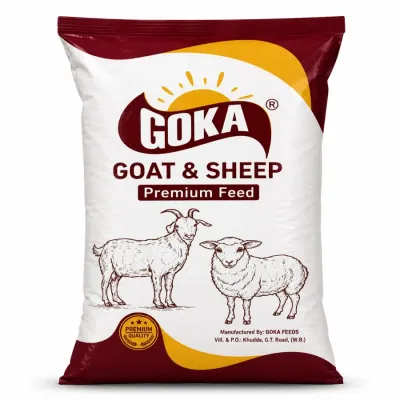
Prevention runs through the mother. A pregnant cow, doe or ewe on a mineral mixture daily, and on a complete compound feed in the last two months, passes selenium and vitamin E to the young one before and through colostrum: GOKA Dry Feed then GOKA Transition −21 for cows, GOKA Premium Goat & Sheep Feed for the flock. After birth, calf starter with its mineral premix continues the supply — GOKA Calf Starter from day four. Feed fresh fodder rather than weathered stacks. An affected youngster needs the vet's selenium-vitamin E injection; feed alone will not reverse damaged muscle.
Relevant GOKA Products

Calves (Cow & Buffalo)
Rapid growth - up to 200 kg by 5 months
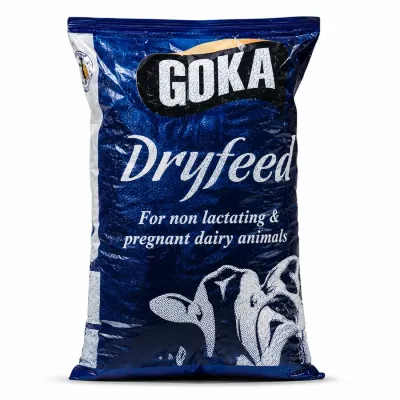
Pregnant Cows & Buffaloes (Dry Stage)
Healthy dry period, trouble-free calving
When to Contact a Veterinary Doctor
A young animal that cannot rise needs a veterinary doctor the same day; a selenium-vitamin E injection given early can save it, and the vet will advise on treating the rest of the group and the dams.
Get Feed Guidance from Falah Enterprises
Free, personal guidance for your animal - tell us the details on WhatsApp or call us.