
Goat & Sheep
Goats & Sheep
Worms in Goats and Sheep — The Grazing Flock's Permanent Tax Collector
Updated 26 Aug 2026 • By Falah Nutrition Desk, Animal Nutrition Advisor
No animals pay the worm tax like grazing goats and sheep — stomach worms, including the notorious blood-drinker whose calling card is pale eyelids and bottle jaw, quietly convert your feed into worm eggs. Control is a partnership: the doctor's dosing strategy, your grazing sense, and the famous eyelid check every flock keeper should know.
Common Signs
- Paleness inside lower eyelids — the classic anaemia check (healthy is salmon-pink, danger is porcelain-white)
- Bottle jaw: soft swelling under the chin in heavy blood-worm burdens
- Scouring and dag-soiled hindquarters with some worm types
- Thinness despite grazing, rough coats, tail-off growth in kids/lambs
- Weakness and losses in the worst-hit — usually the young and the heavily pregnant
Possible Causes
- Worm eggs passed in dung hatching on pasture and climbing wet morning grass
- Warm wet seasons multiplying pasture contamination explosively
- Continuous grazing of the same close-cropped patches — eating at the larvae's table
- Young stock and late-pregnancy/lactating does with the least resistance
- Blanket, repeated same-medicine dosing breeding resistant worms — the modern complication
What the Farmer Should Check
- Monthly eyelid checks flock-wide (learn the FAMACHA idea from your doctor): pale individuals flagged
- Dung and hindquarters: scouring patterns; the doctor can egg-count dung samples
- Grazing habits: same patches daily? Grazing at dewy dawn on short grass?
- Dosing history: which medicines, how often, weighed doses or guesses?
- Kids/lambs and heavily pregnant does watched hardest — the tax falls on them
Feed Guidance
Work WITH your veterinary doctor on a dosing strategy — the modern approach doses the animals that NEED it (pale eyelids, poor condition, high egg counts) at proper weighed doses, rotating medicine families on advice, rather than blanket-dosing everything monthly until no medicine works; resistance is the flock keeper's looming enemy and strategic dosing is how you keep the tools sharp. Graze against the worm's habits: avoid forcing flocks onto the same short wet patches daily, rest and rotate grazing where any choice exists, graze later in the morning when dew (and larvae) have dropped, and keep browse in the diet — goats browsing shrubs above ground level meet fewer larvae than grass-scalpers. Feed fights back too: well-fed animals tolerate and resist worms far better, so the daily concentrate and minerals are quietly anti-worm — and any dosed, recovering animal rebuilds blood on exactly that steady ration.
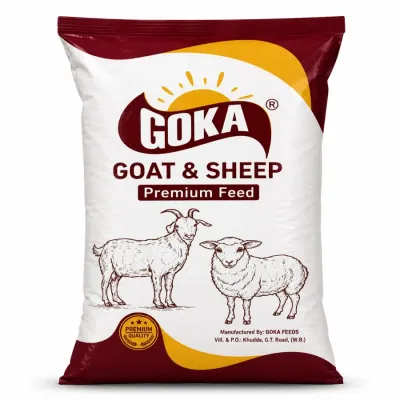
Relevant GOKA Products
When to Contact a Veterinary Doctor
White eyelids, bottle jaw, or weak scouring animals need veterinary attention promptly — severe worm anaemia kills, and correct medicine choice/dosing is the doctor\'s call. Bring dung samples; egg counts turn guessing into strategy.
Get Feed Guidance from Falah Enterprises
Free, personal guidance for your animal - tell us the details on WhatsApp or call us.