
Calf Rearing
Calves
Twin Calves — Double Blessing, Double Management
Updated 26 Aug 2026 • By Falah Nutrition Desk, Animal Nutrition Advisor
Twins arrive as delighted news with fine print: two smaller calves sharing one bohli supply, a mother drained by a double pregnancy, higher retained-placenta risk — and one famous biological catch about mixed twins every farmer should know. Managed deliberately, twins thrive; managed as 'one calving, twice', they struggle.
Common Signs
- Two calves — typically each smaller and a little earlier than a single would be
- The practical strains: both seeking the udder, the weaker one losing the queue
- A mother more exhausted than usual, at higher risk of retained placenta and slow recovery
- Sometimes one twin clearly stronger — the gap widens without intervention
- Mixed pair (bull + heifer): note it explicitly for the freemartin question
Possible Causes
- Double ovulation — more common in some cows, families and higher-producing animals
- Twins crowd the womb: hence smaller size and earlier arrival
- One placenta system feeding two — occasional unequal sharing shows as unequal twins
- The freemartin effect: in most bull+heifer pairs, shared womb blood supply leaves the heifer infertile
- The mother's system taxed double in late pregnancy and at calving
What the Farmer Should Check
- Both calves through the newborn checklist: breathing, warmth, navel, suckle
- Bohli arithmetic: is EACH calf getting its full share within two hours?
- Daily weight-and-vigour comparison between the two — is a gap opening?
- The mother: placenta passed? Eating? Transitioning without milk fever/ketosis signs?
- Mixed twins? Flag the heifer for the freemartin conversation with your doctor
Feed Guidance
Feed them as two individuals from hour one: supervise so each gets full bohli (milk some out and bottle the weaker twin if the stronger hogs — equal share is YOUR job, not the calves' race), then run two feeding records, not one; where the dam's milk runs short for two, supplement the difference rather than letting both grow thin. Start calf starter from day 4 for both — twins, arriving smaller, gain MORE from early rumen development, and the starter takes pressure off the milk arithmetic. The mother carried and calved double: she deserves scrupulous transition feeding on both sides of calving and watching for the calcium/energy wobbles her extra load invites. And the freemartin note: in most bull+heifer twin pairs the heifer will not breed — plan her future with your doctor's confirmation rather than years of feeding toward a calving that can't come.
Relevant GOKA Products

Calves (Cow & Buffalo)
Rapid growth - up to 200 kg by 5 months
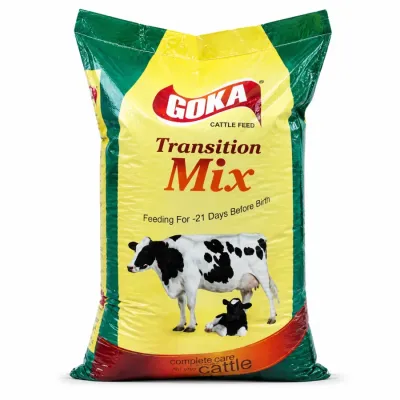
Pregnant Cows & Buffaloes
20 days of feeding, 300 days of benefits
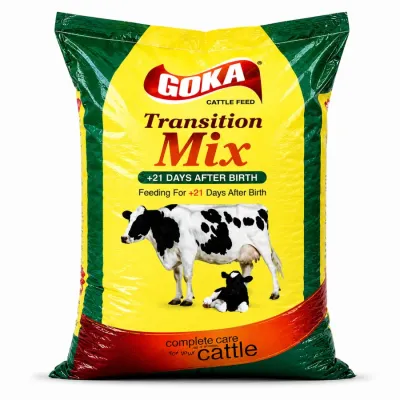
Fresh Lactating Cows & Buffaloes
Protects fresh animals from ketosis & weakness
When to Contact a Veterinary Doctor
Twin calvings deserve a veterinary check of the mother (retained placenta risk is genuinely higher), and any weak twin gets the weak-calf urgency. Ask the doctor about freemartin testing for the heifer of a mixed pair before rearing decisions.
Get Feed Guidance from Falah Enterprises
Free, personal guidance for your animal - tell us the details on WhatsApp or call us.